
INDUSTRY NEWS: MEDICAL REVENUE RECOVERY (MRR)
⭐ NSA Arbitration Insights
Your source for the latest updates in NSA arbitration, IDR processes, payer behavior, and national medical revenue recovery trends.
🎯 This Week’s Highlight
Historic Backlog in NSA Arbitration Begins to Shift — But Payers Intensify Underpayment Tactics
Federal updates indicate progress reducing the NSA IDR backlog, but commercial payers have responded with lower initial offers, increased documentation requests, and more aggressive downcoding, creating the sharpest underpayment landscape since the law launched in 2022.
Providers nationwide are reporting:
- Higher dispute volumes
- Lower initial payment rates
- More claims being shifted to “administrative dispute” categories
- Longer wait times for determinations despite backlog reductions
NSA arbitration has become the single most important revenue recovery mechanism for out-of-network claims in 2026.
📘 NSA Arbitration Industry Overview — March 2026
Market Expansion & Growth
- NSA arbitration filings continue to increase year over year, driven by payer underpayments and narrower network strategies.
- IDR outcomes remain favorable for providers in a majority of cases, especially when documentation and QPA challenges are well supported.
- More practices — radiology, emergency medicine, anesthesia, plastic surgery, orthopedics — are outsourcing NSA arbitration due to complexity and volume.
AI & Technology Transforming NSA & IDR Workflow
- AI-driven medical necessity analysis, QPA deviation modeling, and payer pattern recognition are reshaping preparation for arbitration packages.
- Automated IDR packet generation tools can now assemble:
- Rebuttals
- Comparables
- Pricing benchmarks
- Characteristic factors (case complexity, specialty-level cost structures)
- Predictive analytics are now able to forecast likelihood of winning an NSA dispute with increasing accuracy, helping prioritize high-value claims.
Payer Behavior & Revenue Risk
- Payers continue using tactics to minimize NSA exposure:
- Lowering QPAs
- Delayed responses to open negotiation
- Incorrect denial codes to avoid triggering IDR windows
- Increased “bundling” to shrink payable amounts
- Many providers are experiencing 40–60% initial underpayments until IDR is filed.
- IDR entities report a surge in payer challenges on coding, clinical validity, and pricing comparables, requiring stronger documentation than previous years.
Operational Priorities for 2026
- Practices are refining front-end NSA workflows, especially around:
- Out-of-network patient verification
- Timely open negotiation submissions
- Standardized documentation for IDR packets
- More organizations are investing in specialized NSA teams or outsourcing to maximize wins.
- Speed and accuracy matter — the most successful firms now submit open negotiation within 5 days, not 30.
Strategic Shifts & Future Outlook
- Regulators are tightening enforcement around payer noncompliance with open negotiation rules.
- More states are adopting state-level arbitration laws that mirror or supplement the NSA.
- The federal government is exploring QPA calculation transparency rules, which could materially shift arbitration outcomes.
- High-performing groups are preparing for:
- Expanded QPA reporting requirements
- Possible filing fee adjustments
- Increased payer audits
- Continued payer pushback on specialty claims
The next 12 months will be shaped heavily by regulatory enforcement + payer adaptation.
🗂 NSA Industry Updates by Category
A. Market Trends & Financial Impact
- IDR filings continue to climb rapidly, especially from ER, radiology, cardiac, surgical, and anesthesia groups.
- Providers using arbitration effectively see 20–50% increases in recovered out-of-network revenue.
- Some systems report millions in recoverable underpayments left untouched due to staffing limits.
B. Technology & Automation in NSA Arbitration
- Automation is cutting IDR prep time from 2–3 hours per claim to 5–10 minutes.
- AI tools now identify payer repeat behaviors, helping predict likely arbitration outcomes.
- Large billing groups adopting automation see higher win rates due to standardized, airtight documentation.
C. Payer & Regulatory Developments
- Federal regulators issued new guidance clarifying timelines for open negotiation and IDR submissions.
- Payers are under scrutiny for:
- Delayed open negotiation responses
- Questionable QPA methodology
- Underpayment patterns that contradict regulatory intent
- Expect more enforcement and possible civil penalties for noncompliant payers in late 2026.
D. Operational Improvements & Best Practices
- Practices with the highest recovery rates follow a strict NSA workflow:
- Day 0–3: Identify OON underpayment
- Day 5: Submit open negotiation
- Day 16–17: Initiate IDR
- Day 25: Prepare rebuttal and supporting materials
- Outsourcing arbitration to specialized teams or partners reduces missed deadlines and increases throughput.
- Real-time dashboards tracking payer behaviors, timelines, and outcomes are becoming essential.
📊 Data & Visual Insights
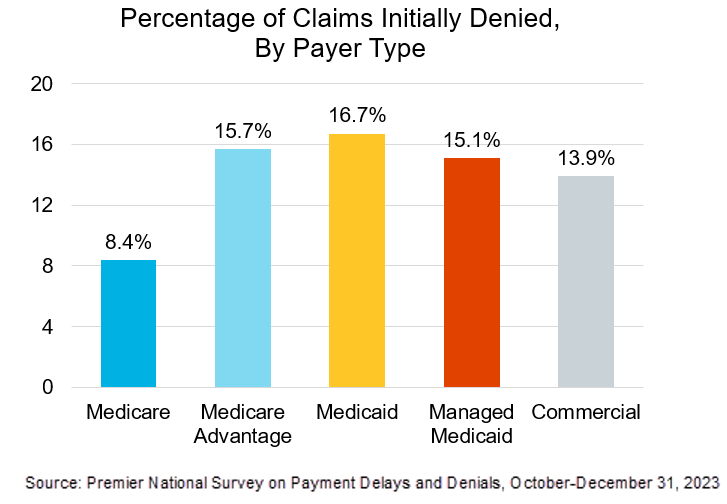
Key NSA Arbitration Statistics (2026):
- 80%+ of NSA disputes are won by providers when documentation is strong.
- 90%+ of NSA disputes are won by Callagy Recovery / Law
- Initial payments average 30–50% lower than final arbitration awards.
- Open negotiation is triggered in over half of all out-of-network claims.
- Despite improvements, IDR entities still face significant administrative backlog in several categories.
- Payer noncompliance remains one of the top drivers of lost revenue for hospitals and specialty groups.
💬 Insights From Our Team
Based on MedRev’s national experience handling NSA disputes:
- Payers are becoming more aggressive, but well-prepared claims are winning more often than ever.
- Many practices lose substantial revenue simply because they don’t manage the deadlines or don’t file disputes.
- The biggest recovery opportunities right now are:
- Radiology & imaging
- Emergency & urgent care
- Surgical specialties
- Anesthesia & pain management
- Air Ambulance
- Medical Billing Firms
- Groups with dedicated arbitration processes see dramatic cash-flow improvements within 60–90 days.
If your organization hasn’t optimized its NSA workflow, you’re likely missing out on significant recoverable revenue.
🚀 Ready to Increase Your NSA Arbitration Wins?
Schedule a Strategy Call — We’ll review your payer patterns and show you how much revenue you may be eligible to recover